


Predicting Immunotherapy Efficacy with a Single Tube of Blood | Zhao Haitao's Team Latest Review: First Systematic Summary of the Clinical Application Value of PD-1⁺ T Cells in Solid Tumors
A latest review published by Zhao Haitao's team at Peking Union Medical College Hospital (PUMCH) provides the first systematic summary of the clinical application value of peripheral blood PD-1⁺ T cells as a liquid biopsy biomarker in solid tumors.
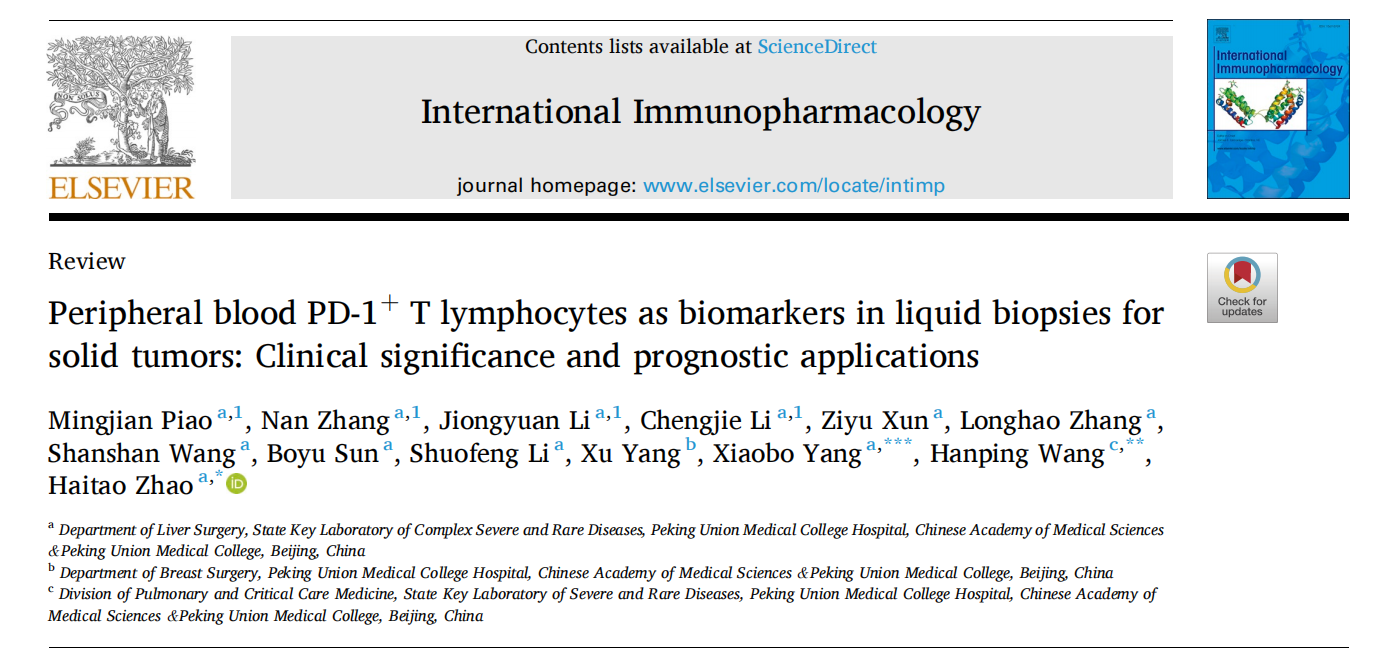
In oncology diagnosis and treatment, can a single tube of blood be used to assess treatment efficacy, predict survival, and anticipate adverse reactions? This is a prominent direction in the field of liquid biopsy. Recently, Zhao Haitao's team from the Department of Hepatobiliary Surgery at Peking Union Medical College Hospital published a landmark review in the journal International Immunopharmacology, providing the first systematic elucidation of the clinical significance and prognostic applications of peripheral blood PD-1⁺ T lymphocytes in liquid biopsy for solid tumors (the original review is available at the end of this article).
Why PD-1⁺ T Cells?
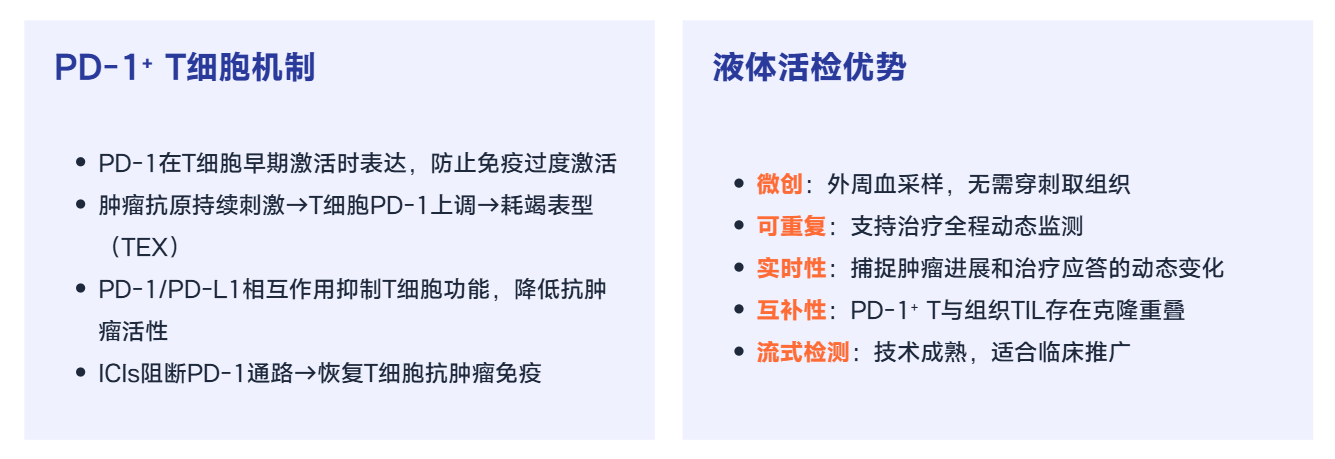
PD-1 (Programmed Cell Death Protein-1) is an inhibitory receptor expressed on the surface of T cells. Under sustained tumor antigen stimulation, T cells upregulate PD-1 expression and enter a state of "exhaustion," resulting in diminished anti-tumor capacity. Immune checkpoint inhibitors (such as anti-PD-1 antibodies) can block this pathway and restore T cell function.
More importantly, peripheral blood PD-1⁺ T cells share clonal overlap with tumor-infiltrating lymphocytes (TILs), enabling them to reflect the true status of the tumor immune microenvironment. Furthermore, the quantity of PD-1⁺ T cells can be used to assess the kinetics of tumor-specific CD8⁺ T cells, and since they can be obtained through a simple blood draw, they enable true "liquid biopsy."
Core Conclusions
·Peripheral blood PD-1⁺ T cells are a highly promising biomarker for liquid biopsy in solid tumors.
·They can be used for tumor staging assessment, efficacy prediction, and survival prognosis.
·Dynamic changes in PD-1⁺ T cells before and after immunotherapy are a core predictive indicator of treatment efficacy and prognosis.
·Flow cytometry-based detection of peripheral blood PD-1⁺ T cell subpopulations is feasible for clinical implementation.
PD-1⁺ T Cells for Tumor Staging Assessment
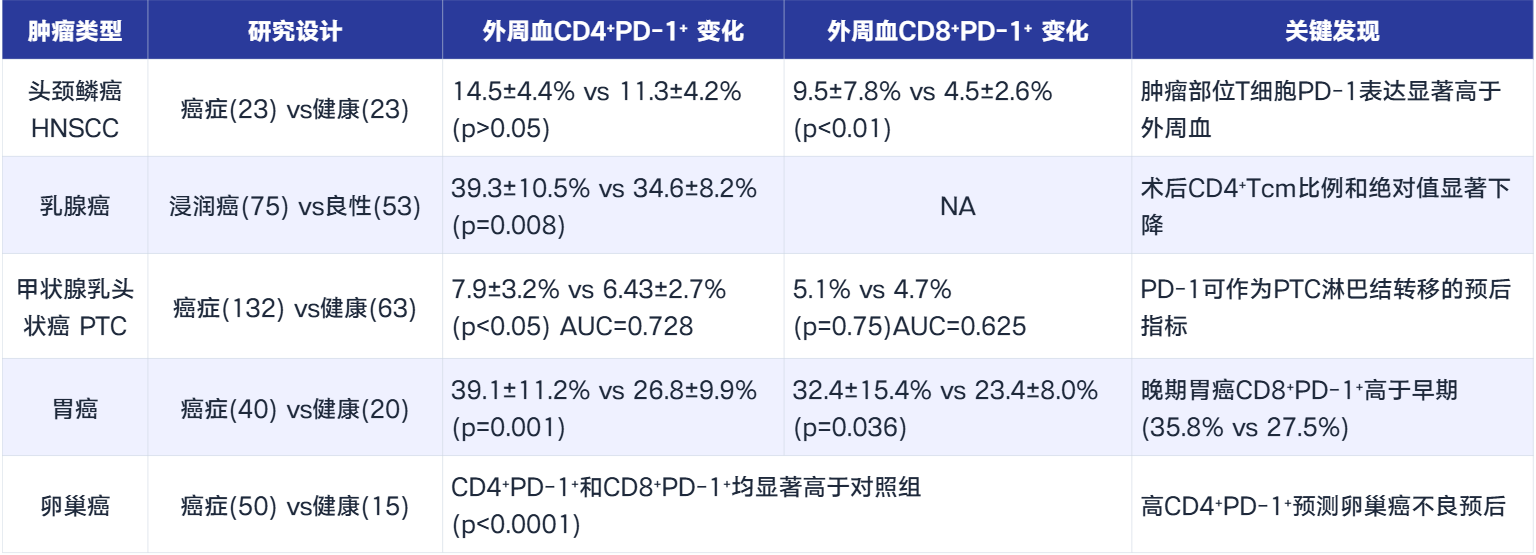
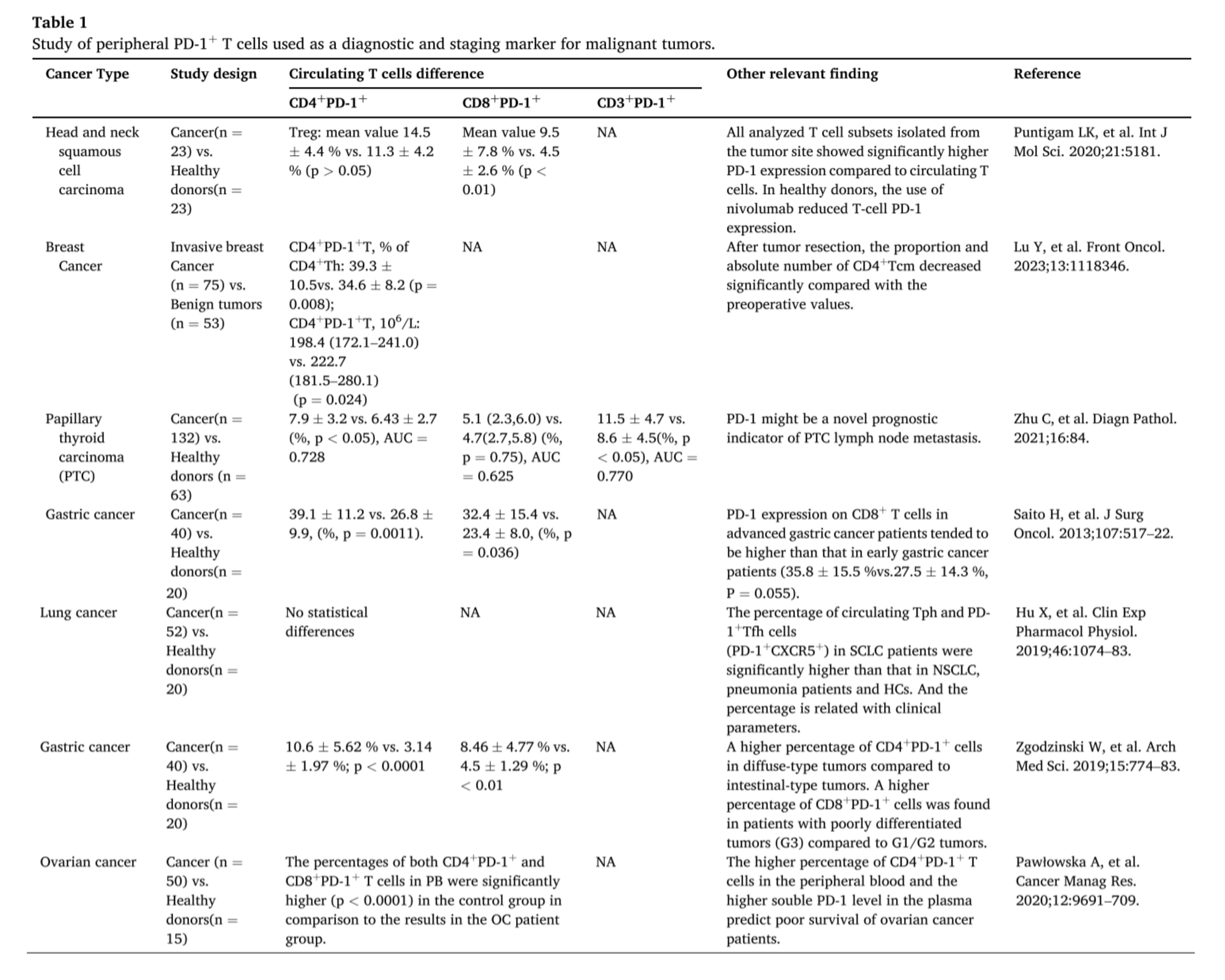
Multiple studies have found that the proportion of peripheral blood PD-1⁺ T cells in patients with various solid tumors is significantly higher than in healthy controls, supporting its utility in auxiliary early diagnosis and immune status assessment.
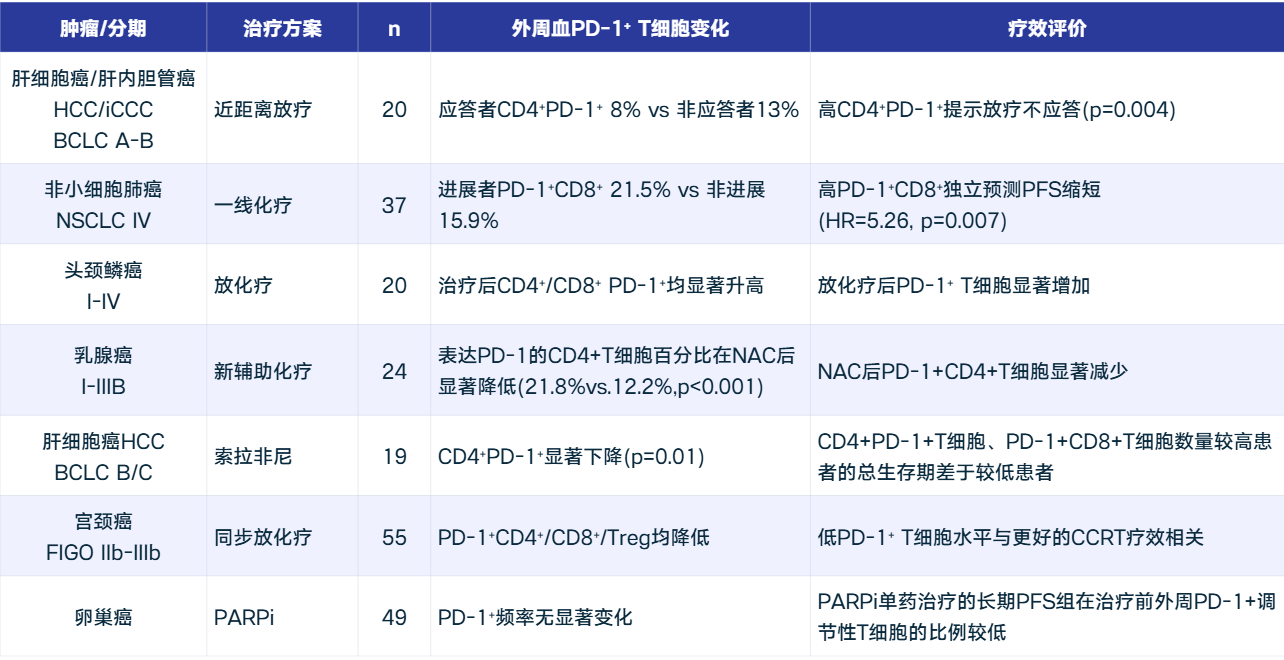
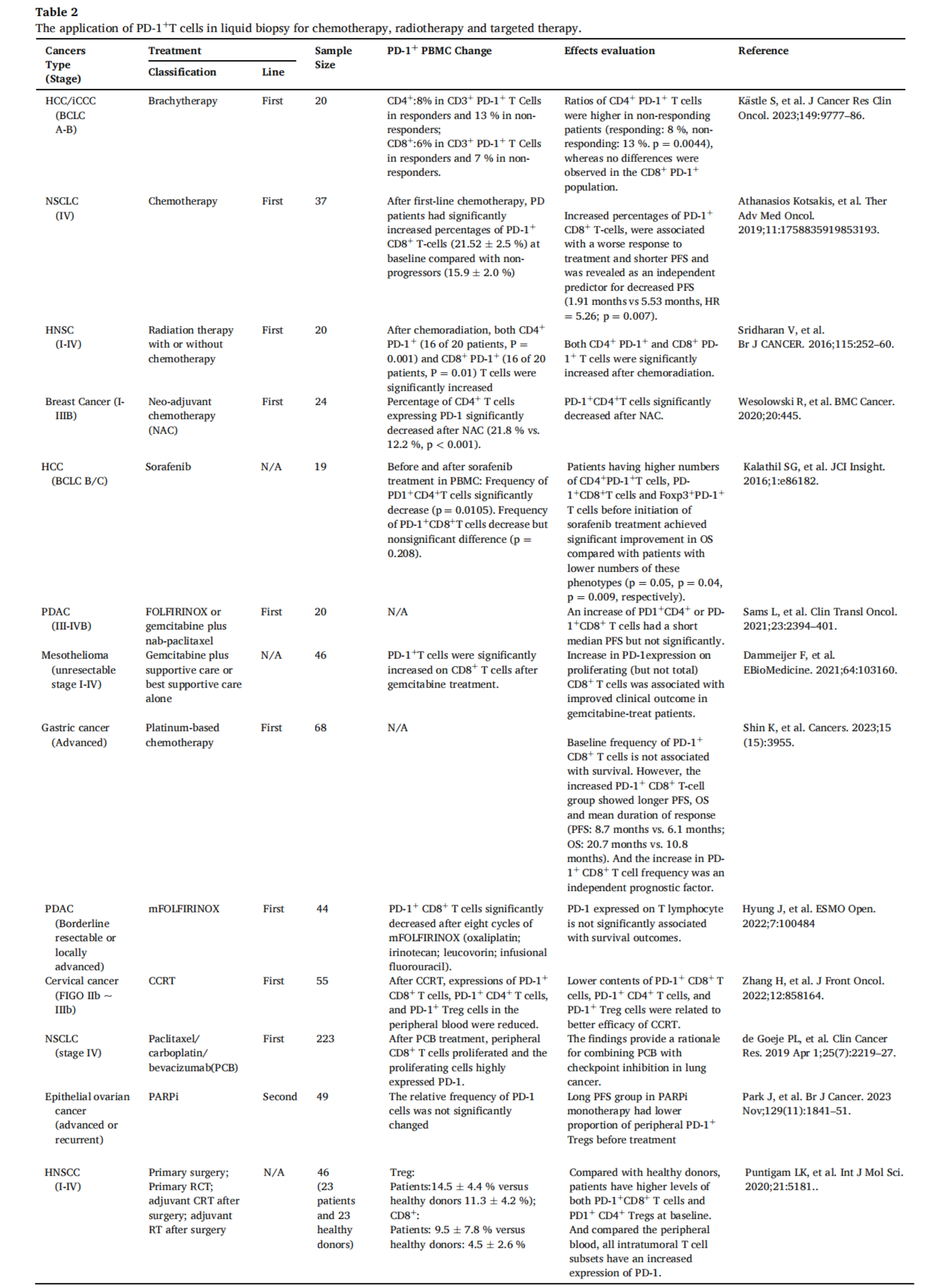
Application of PD-1⁺ T Cells in Chemotherapy, Radiotherapy, and Targeted Therapy
Elevated PD-1⁺ T cell levels after treatment generally indicate poor prognosis; post-treatment dynamic changes can guide the timing of combination immunotherapy.
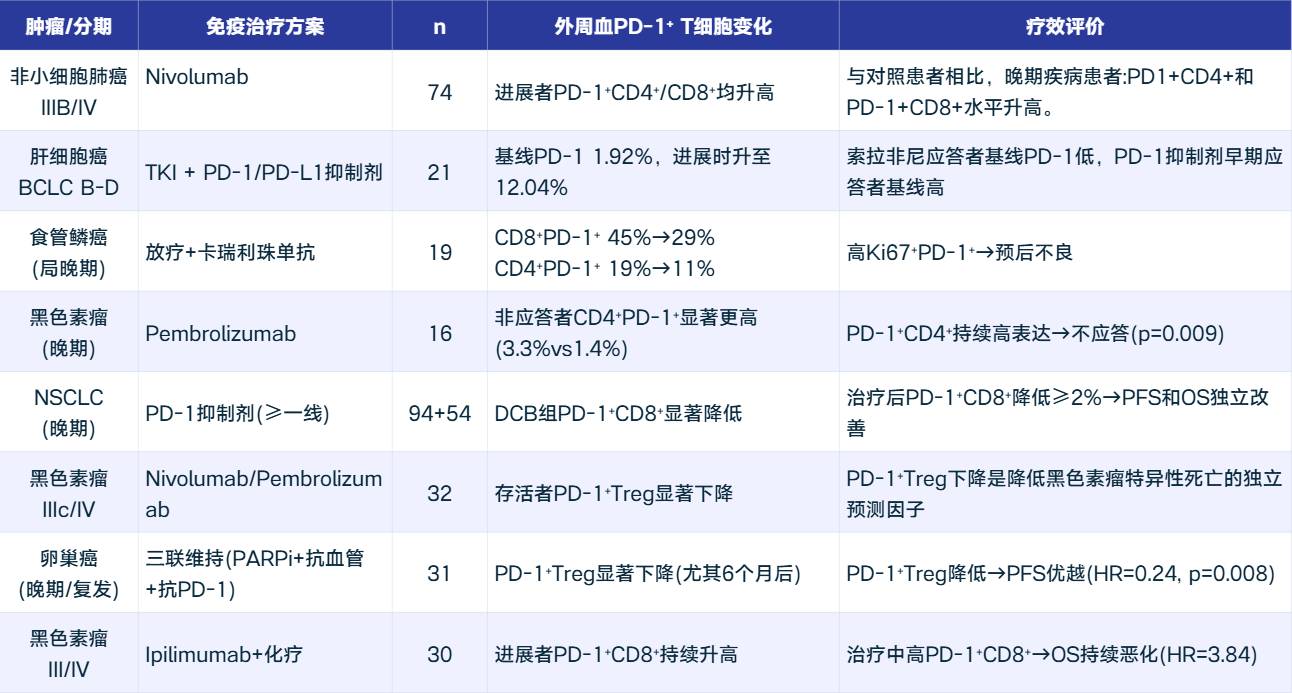
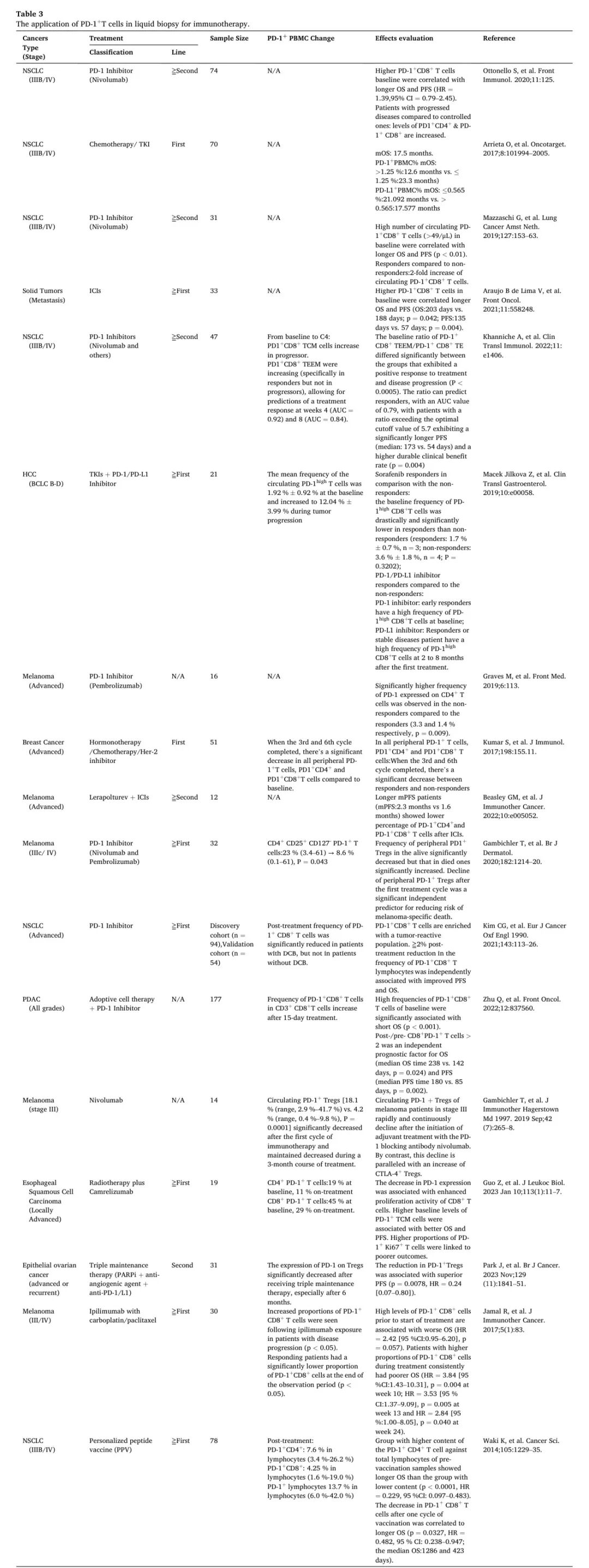
Application of PD-1⁺ T Cells in Immunotherapy
Dynamic changes in PD-1⁺ T cells during immunotherapy serve as a core predictive indicator for treatment efficacy and prognosis.
Conclusion
This is the first review specifically focused on peripheral blood PD-1⁺ T cells as a liquid biopsy biomarker, covering all solid tumor types. It integrates evidence across multiple therapeutic domains including chemotherapy, radiotherapy, targeted therapy, and immunotherapy, providing clinicians with a non-invasive, dynamic, and reproducible monitoring tool.
References:
Piao M, Zhang N, Li J, Li C, Xun Z, Zhang L, Wang S, Sun B, Li S, Yang X, Yang X, Wang H, Zhao H. Peripheral blood PD-1+ T lymphocytes as biomarkers in liquid biopsies for solid tumors: Clinical significance and prognostic applications. Int Immunopharmacol. 2025 Feb 6;147:114052. doi: 10.1016/j.intimp.2025.114052. Epub 2025 Jan 11. PMID: 39799737.






Please first Loginlater ~